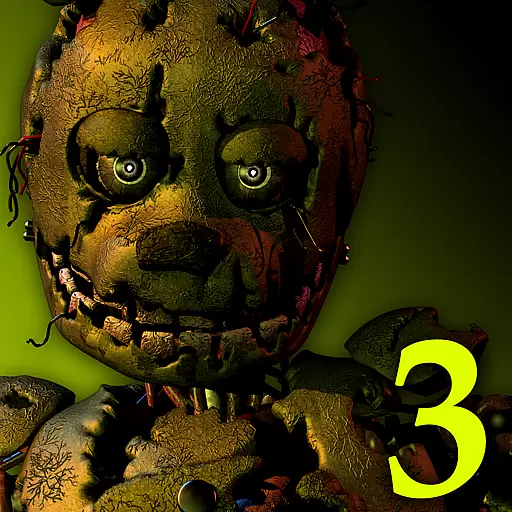
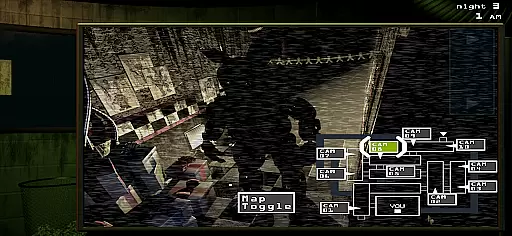
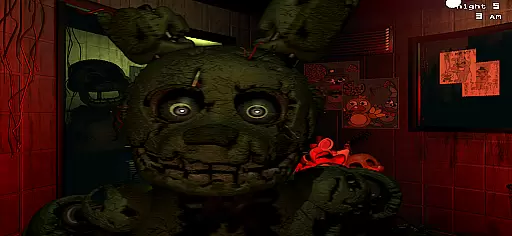
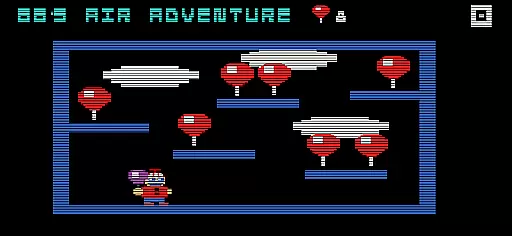
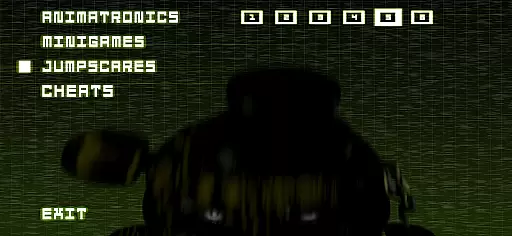
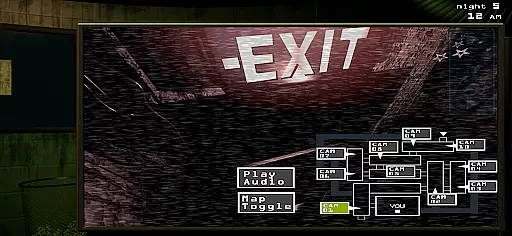
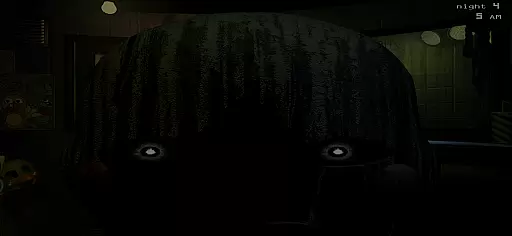
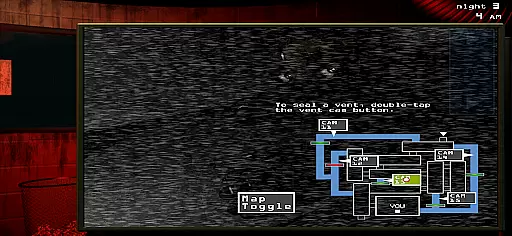

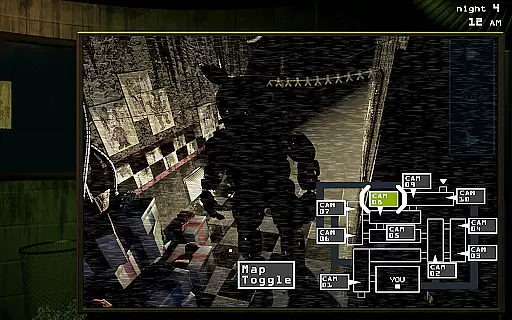
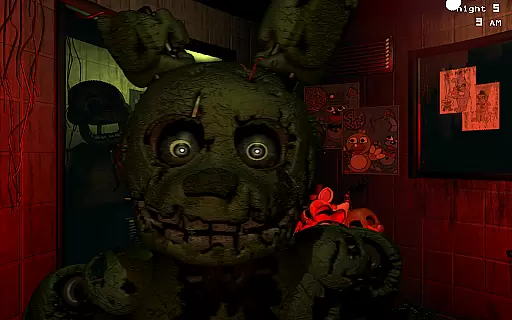
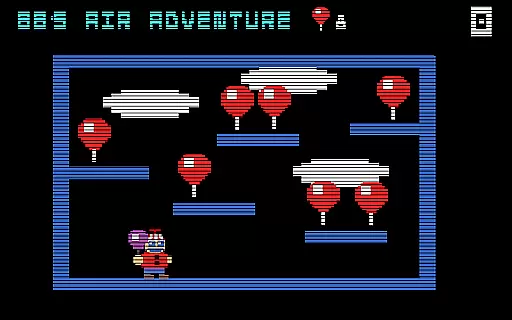
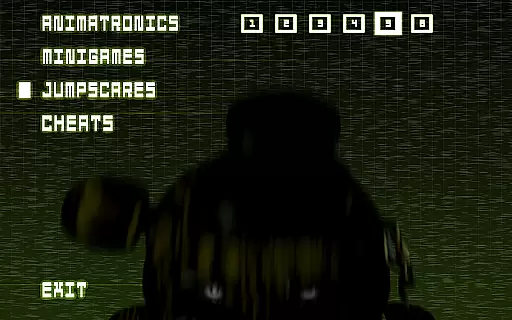
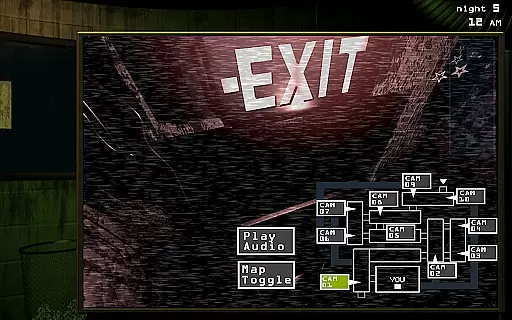
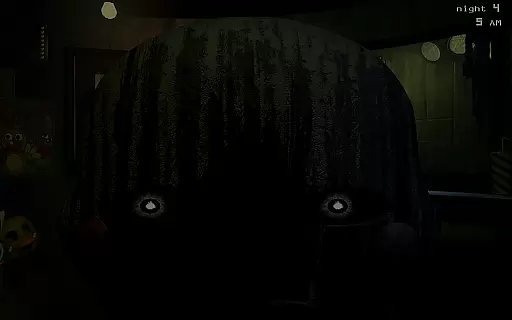
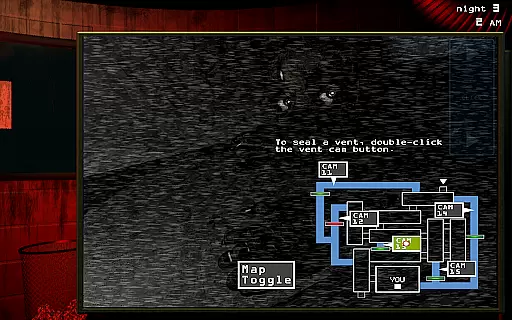

Five Nights at Freddy's 3 is a survival horror game that continues the eerie story of the Fazbear universe. In this installment, players are thrust into the role of a security guard working at 'Fazbear's Fright: The Horror Attraction,' an establishment trying to recreate the chilling atmosphere of the now-defunct Freddy Fazbear's Pizza. With only one animatronic on display, the game masterfully builds suspense through its minimalist approach and clever use of sound and environment.
The game requires a device with at least 2 GB of RAM for optimal performance. It offers an immersive experience with support for multiple languages including English, French, German, and more. Fans of the series will appreciate the atmospheric tension and the continuation of the saga's narrative depth.
One of the standout features of Five Nights at Freddy's 3 is its ability to evoke fear through minimalistic design. Players must survive five nights while monitoring security cameras and managing limited resources like power. The game introduces new mechanics such as phantom animatronics that appear without warning, adding layers of complexity to the gameplay.
Another notable aspect is the attention to detail in recreating the original pizzeria's ambiance. From the decaying animatronics to the dimly lit corridors, every element contributes to the unsettling atmosphere. Additionally, the remastered version ensures smoother performance and enhanced graphics compared to its PC counterpart.
Control responsiveness and latency are crucial aspects of any action game, especially in horror games like Five Nights at Freddy's 3. The game demands quick reflexes and precise timing from players as they navigate through terrifying scenarios.
This remastered version ensures that every tap and swipe on the screen translates immediately into in-game actions. The developers have optimized the game to run smoothly on devices with at least 2 GB of RAM, minimizing input delay and maximizing responsiveness.
Players will appreciate the seamless interaction between their commands and the character's movements within the game. Whether it's reacting to sudden jump scares or solving intricate puzzles, the low-latency controls provide an immersive experience that keeps players engaged without frustration.
The importance of responsive controls cannot be overstated in a high-stakes environment where every second counts. With Five Nights at Freddy's 3, users can expect a finely-tuned interface that respects their inputs and enhances overall gameplay satisfaction.
In Five Nights at Freddy's 3, combat feedback tightness refers to how the game communicates player actions during intense moments. While not a traditional combat game, the series is known for its suspenseful interactions with animatronics, which require strategic thinking and quick responses.
The remastered edition provides tight feedback loops by delivering instant visual and auditory cues when players interact with the environment or face threats. Every movement and decision is met with immediate responses, such as changes in lighting, sound effects, and animations that heighten tension.
This feedback system is essential for maintaining immersion and ensuring players feel connected to the virtual world. It helps them understand the consequences of their actions and adjust strategies accordingly, making each encounter more impactful.
By focusing on combat feedback tightness, Five Nights at Freddy's 3 creates a gripping atmosphere where every choice matters. Players receive clear signals about their performance, enhancing both the thrill and educational value of overcoming challenges in the game.
Immersive atmosphere
Innovative gameplay mechanics
Multiple language support
Rich narrative depth
High replay value
Requires high-end device
Short gameplay duration
Limited interactivity
Repetitive elements
Steep learning curve

Wish-granting Mermaid’s Tears in the hands of SpongeBob… What could go wrong?
 4.20
4.20
Battle in! Gunship Helicopters vs Tanks! Fast PVP Combat in Modern War Vehicles!
4.70
Gaze upon the horrors that dwell beyond the Wall of Insanity.
4.90
Defeat the nasty aliens!
5.00
A roguelike hack'n'slash game
4.70
Five years ago, Carl ‘CJ’ Johnson escaped the haze of Los Santos, San Andreas…
3.30
Become the ultimate expert in deer hunting through intense shooter attacks!
4.90
Brutal action-platformer
4.50
Build, equip, upgrade your tower and make your way through huge waves of zombies
4.40
Arcade Roguelike Survival
4.70
NEOGEO's masterpiece game is now available in the app!
4.70
Weaphones is the ultimate firearms simulator for your phone or tablet.
4.60
Take a katana in your ninja hands to fight foes! Stylish ninja stickman game
4.60
Throw shurikens and cut through your enemies!
4.60
The fast-paced FPS that changed gaming forever.
4.40
Command your army, crush the enemy, and reclaim the nation!
4.30
HOOK away with SPEED & STYLE! Jump, Swing, Fly! Let's Play fun Action Game!
4.20
NEOGEO's masterpiece game is now available in the app!
3.90
Retro pixel war game! Destroy enemies and survive the chaos!
4.1


User Reviews